Needle felted sculptures
custom made - individually created
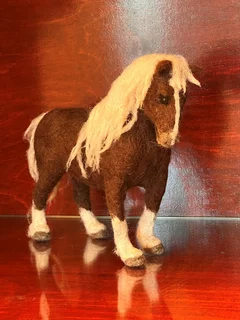
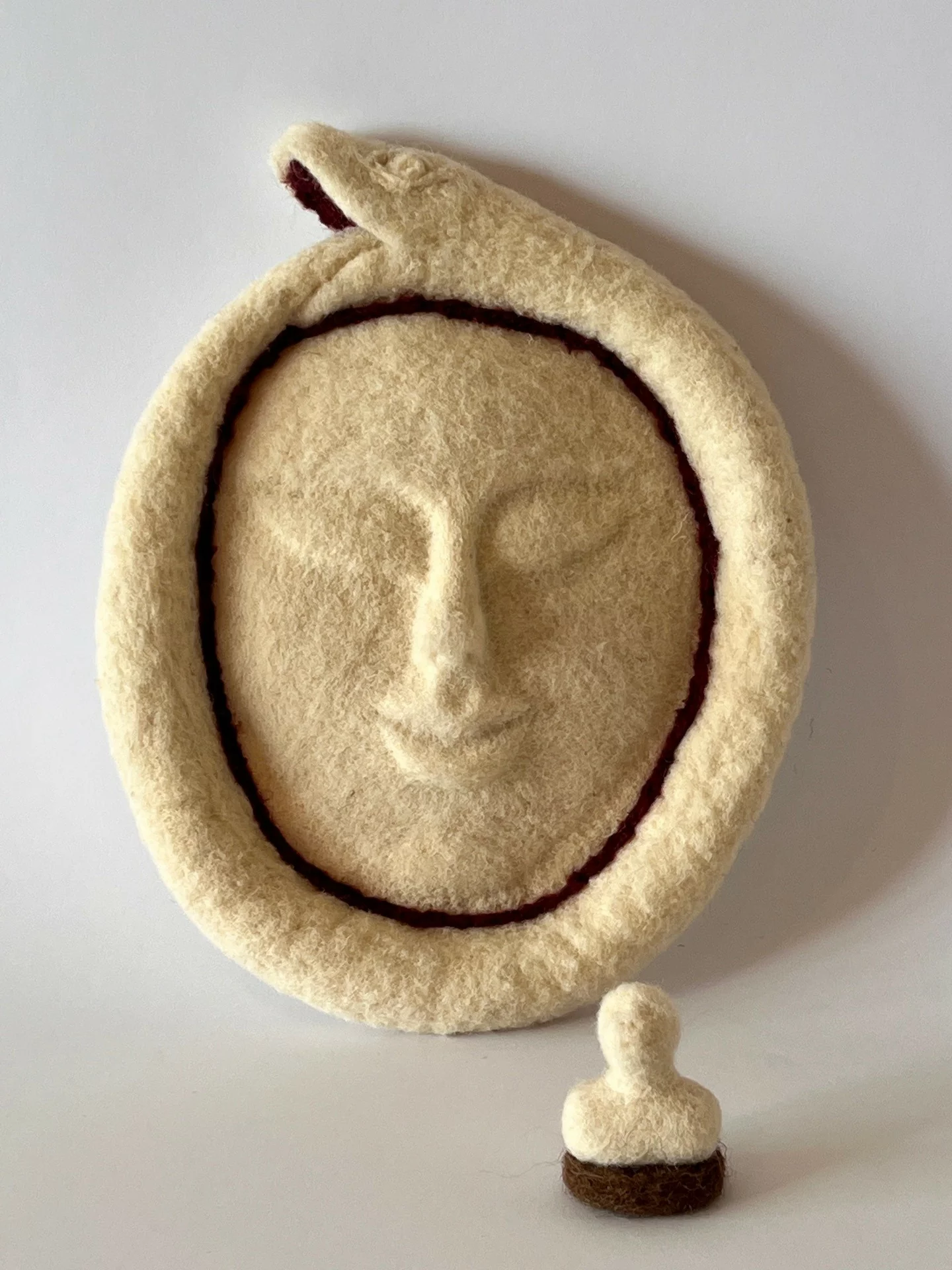
Simply send me photos of your beloved pet or a special person, and I will create a lifelike needle-felted sculpture with great care and attention to detail.
The price depends on the size and complexity of the piece and starts at €200. Before I begin, you will receive a personalized offer with a fixed price, so you know exactly what to expect.
Of course, this does not commit you to anything. Only if you truly love the finished artwork can you decide if you would like to welcome it into your home.
Work in Progress
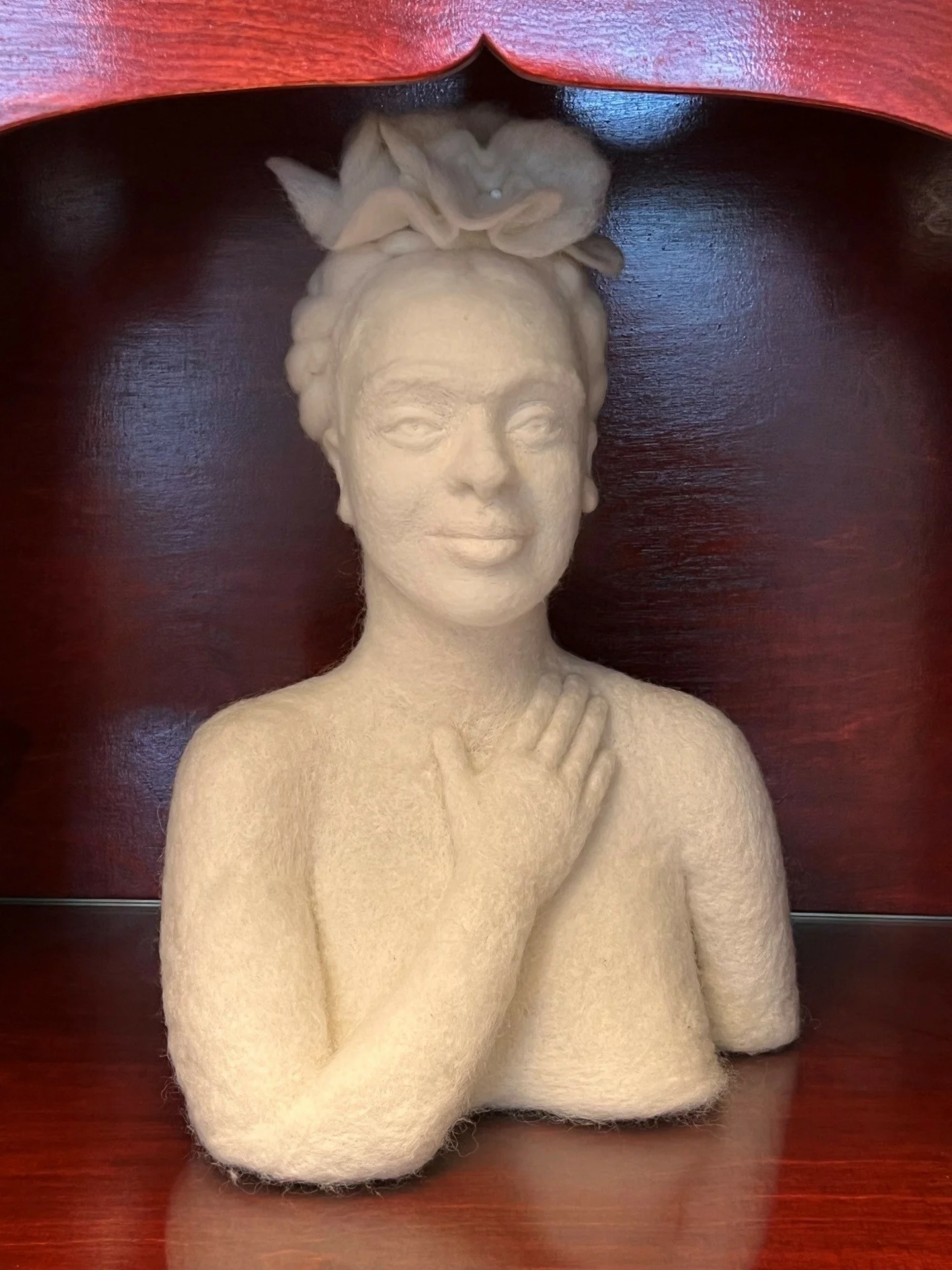
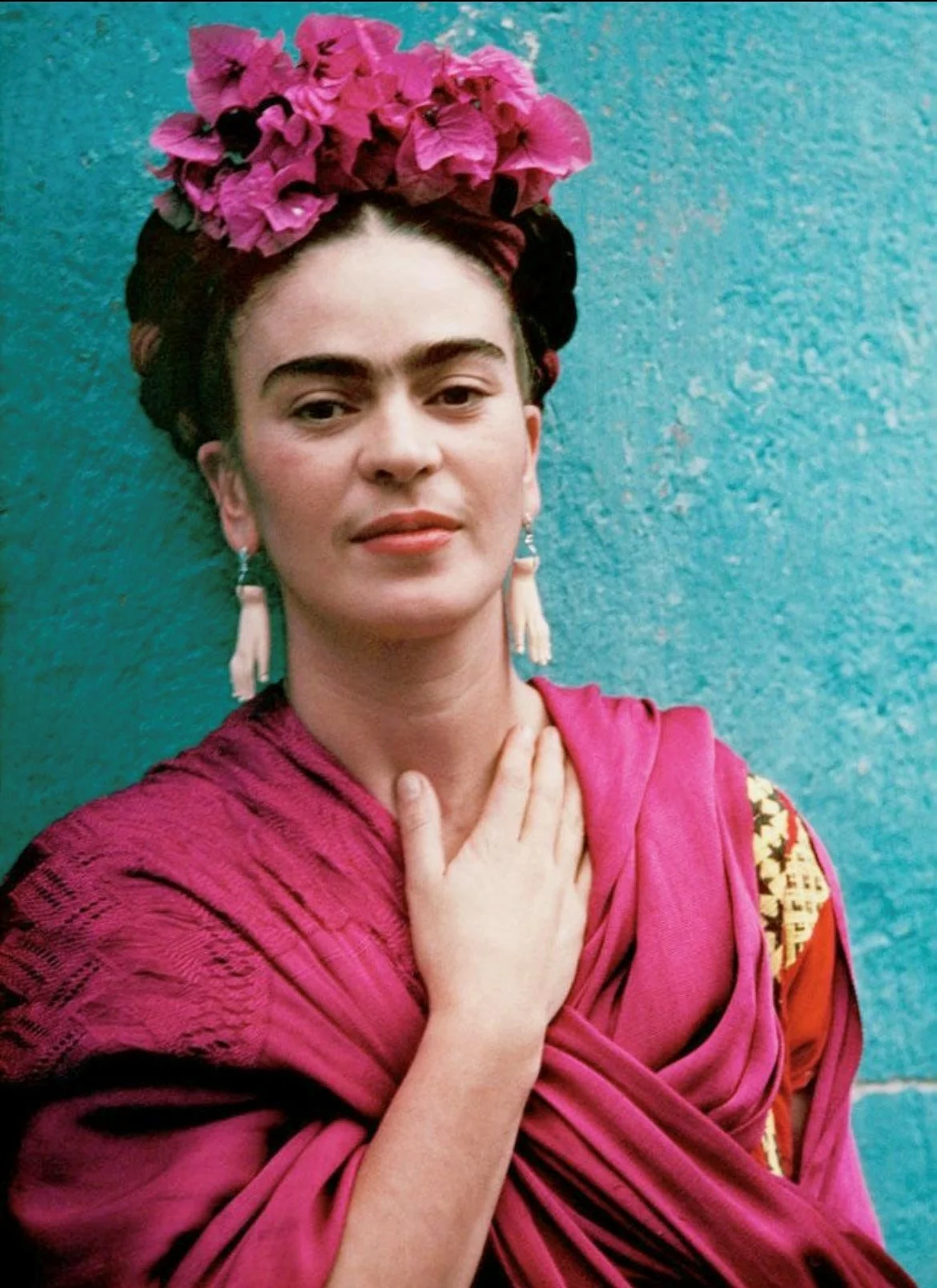
Frida Kahlo
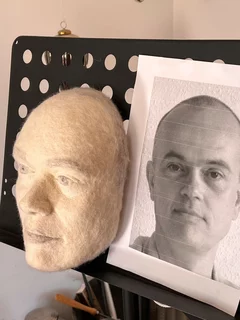
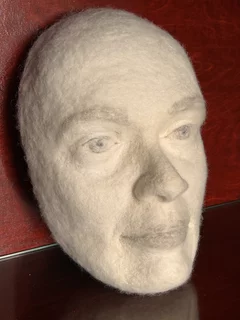

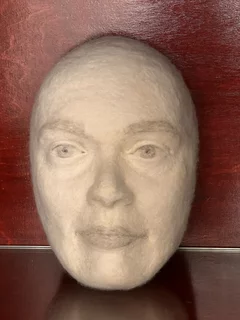
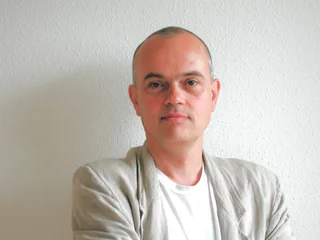
Mano
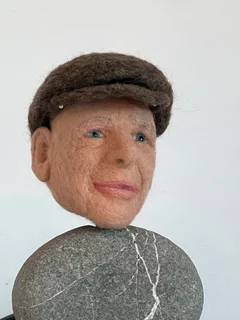
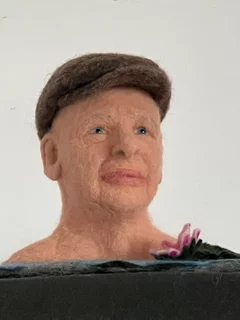
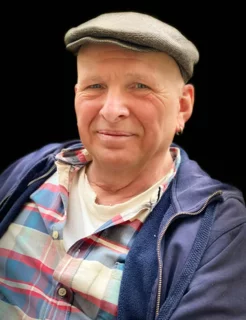
Christoph
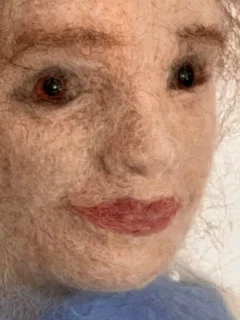
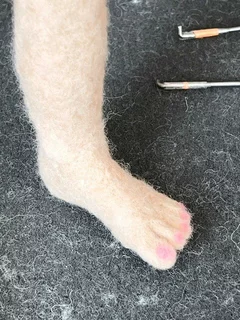
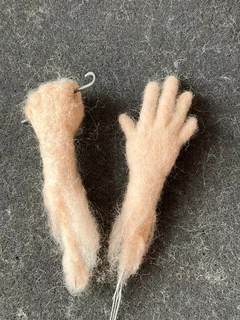
Little girl
Commissioned Works
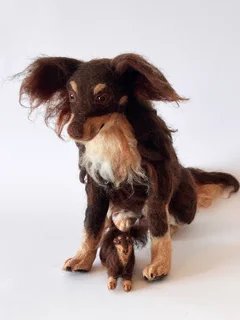
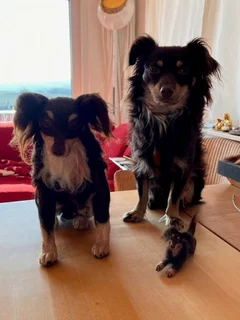
Gino
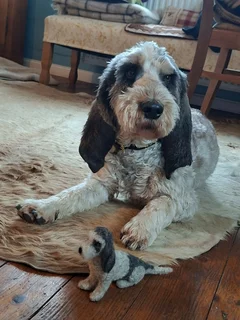

Ludwik
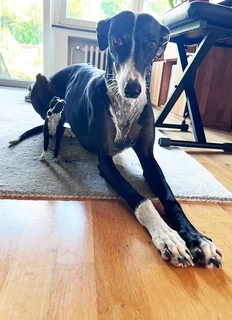
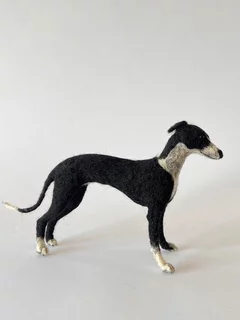
Nisha
What Is Needle Felting?
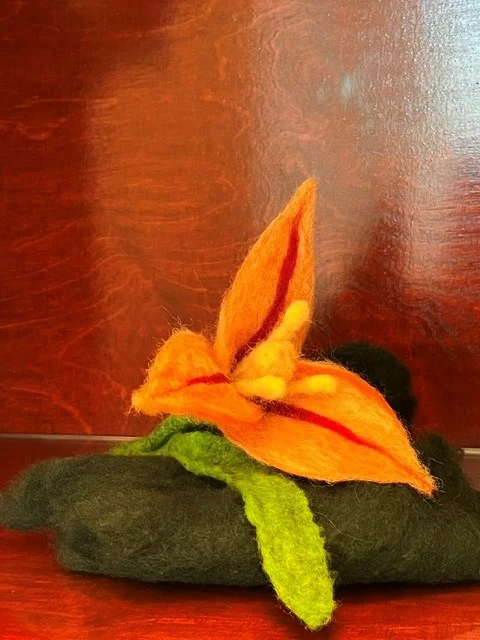
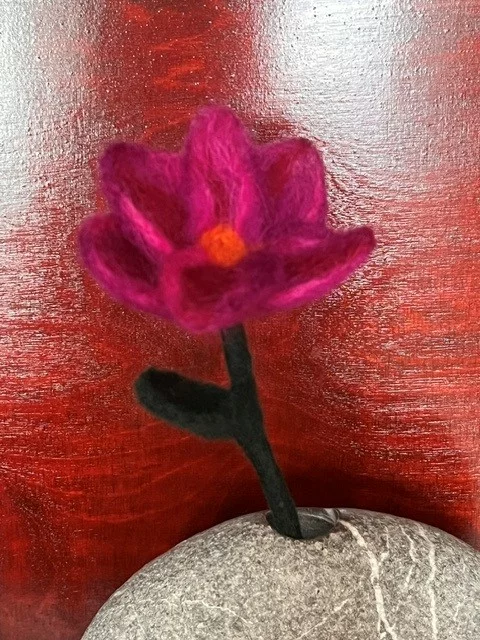
Needle felting is a creative technique in which loose, unspun sheep’s wool is shaped using only a special felting needle. The tiny barbs on the needle catch and interlock the individual wool fibres. By repeatedly inserting the needle, the wool gradually becomes denser and can be sculpted into almost any desired shape – from small figures to highly detailed sculptures.
Needle felting was originally developed for industrial purposes in the 19th century. The process made it possible to produce felt materials without the use of water or soap. A wide variety of products were manufactured in this way, including seals, carpet underlay and technical felt materials. One of the best-known everyday examples is the tennis ball, whose characteristic felt surface is produced using a similar process and plays an important role in its flight characteristics. Even today, the technique continues to be used in industry – among other things, in the production of protective materials made from Kevlar and specialised components for the aerospace industry.
Needle felting gained renewed attention in the 1980s. In California, farmers Eleanor and David Stanwood developed a method for making practical use of surplus sheep’s wool. Using felting needles, they transformed what had previously been an agricultural by-product into a lightweight, high-quality filling for quilts.
Around the same time, artists also began to discover the creative potential of felting. The Danish artist Birgitte Krag Hansen, in particular, drew attention to the possibilities of the material with her three-dimensional felt sculptures. From Scandinavia, the technique spread first to the United Kingdom and later to many other countries.
Today, needle felting inspires people all over the world. From lovingly crafted animals and figures to jewellery, home accessories and unique works of art, the combination of natural materials and skilled craftsmanship offers endless creative possibilities. In German-speaking countries, needle felting is steadily gaining popularity, although it is still considered something of a hidden gem among textile crafts.